Micah Johnson’s astronaut boy, Aku, built as a family of permanent monumental sculptures for a community outside Indianapolis and led by a roughly twenty-foot Dreamgazer. The artist owns the world. Curative developed the works with him, then produced and delivered them.
Aku belongs to Micah Johnson. The former Major League second baseman turned artist created the astronaut boy, built the world around him, and carries the relationships that put Aku on the cover of TIME and into Bonhams and Christie’s. When the work called for a family of monumental sculptures that could be installed permanently and stand in the Indiana weather for a generation, Micah came to Curative. Curative developed the pieces with him and, on approval, became the fabricator, from design to delivered object. The artist keeps the room. Curative builds the work.
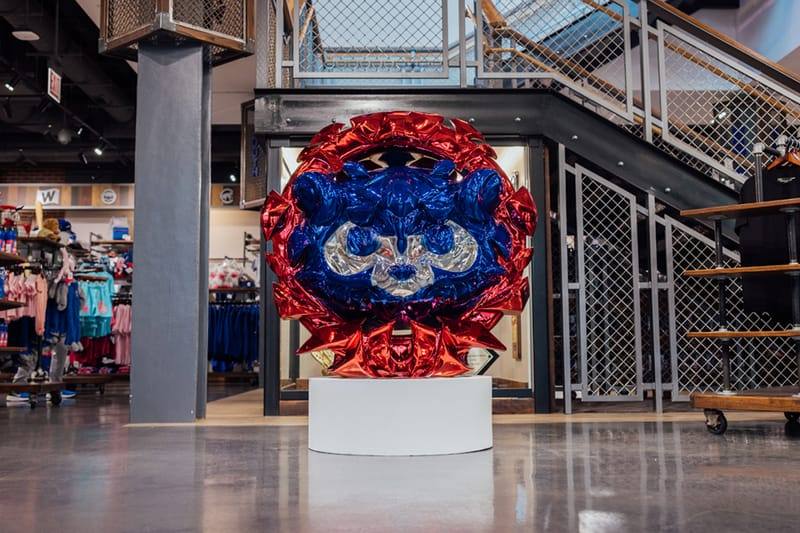
This is the same relationship COHERE models, at a different scale. There the artist owned a single ballpark commission. Here the artist owns an entire IP and a permanent public installation, and Curative sits behind him as the foundry that makes it real. Your character, your vision, our production.
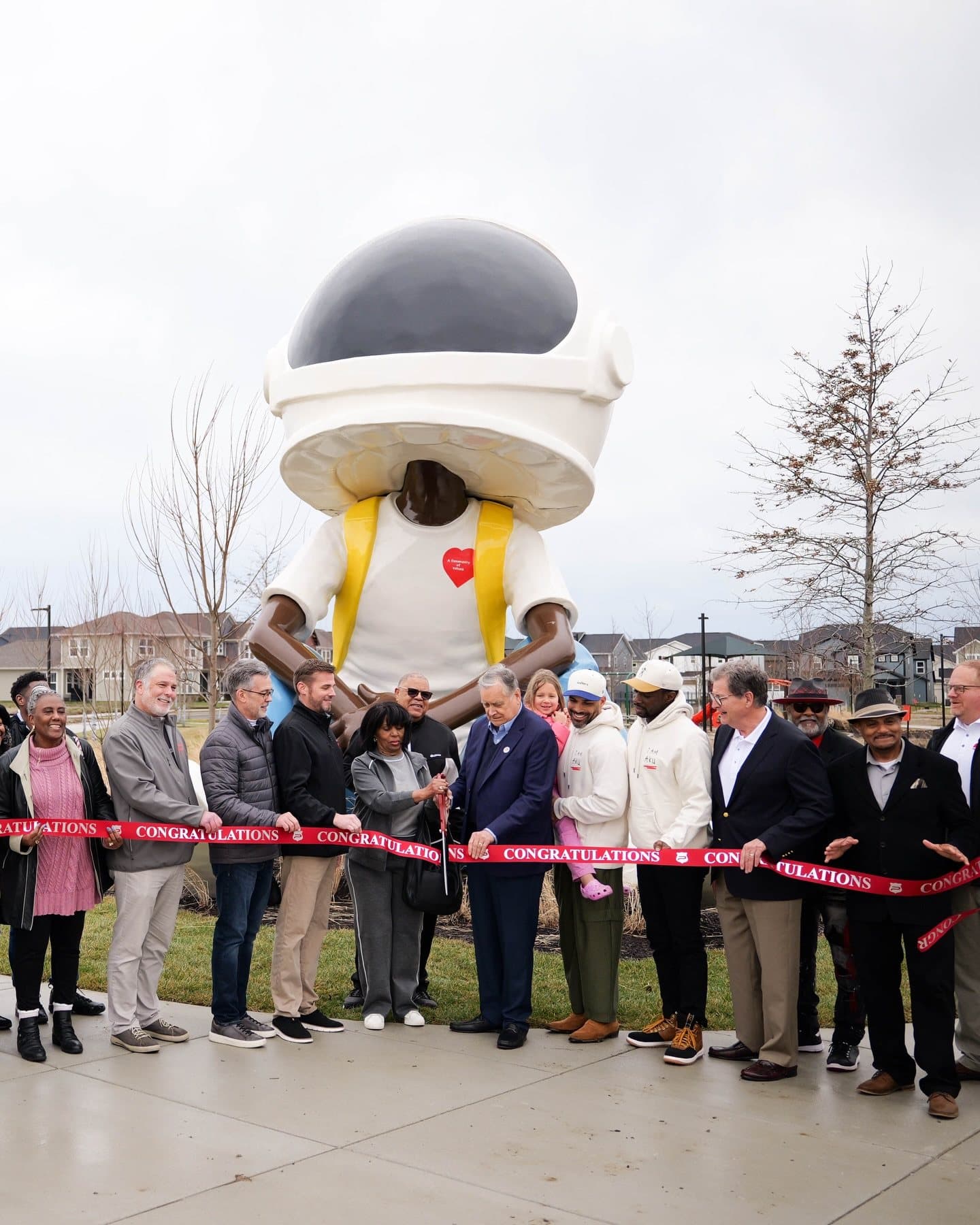
Aku reads, from a distance, as a child in an astronaut helmet: a kid from Indianapolis imagining himself anywhere. Up close the sculptures hold that stillness at monumental size. What went up at Hobbs Station is a family rather than a single object, four of the largest Aku sculptures, led by Dreamgazer at roughly twenty feet. Several carry internal lighting so they hold presence after dark. They are painted FRP, engineered not for a short season but for permanent outdoor life.
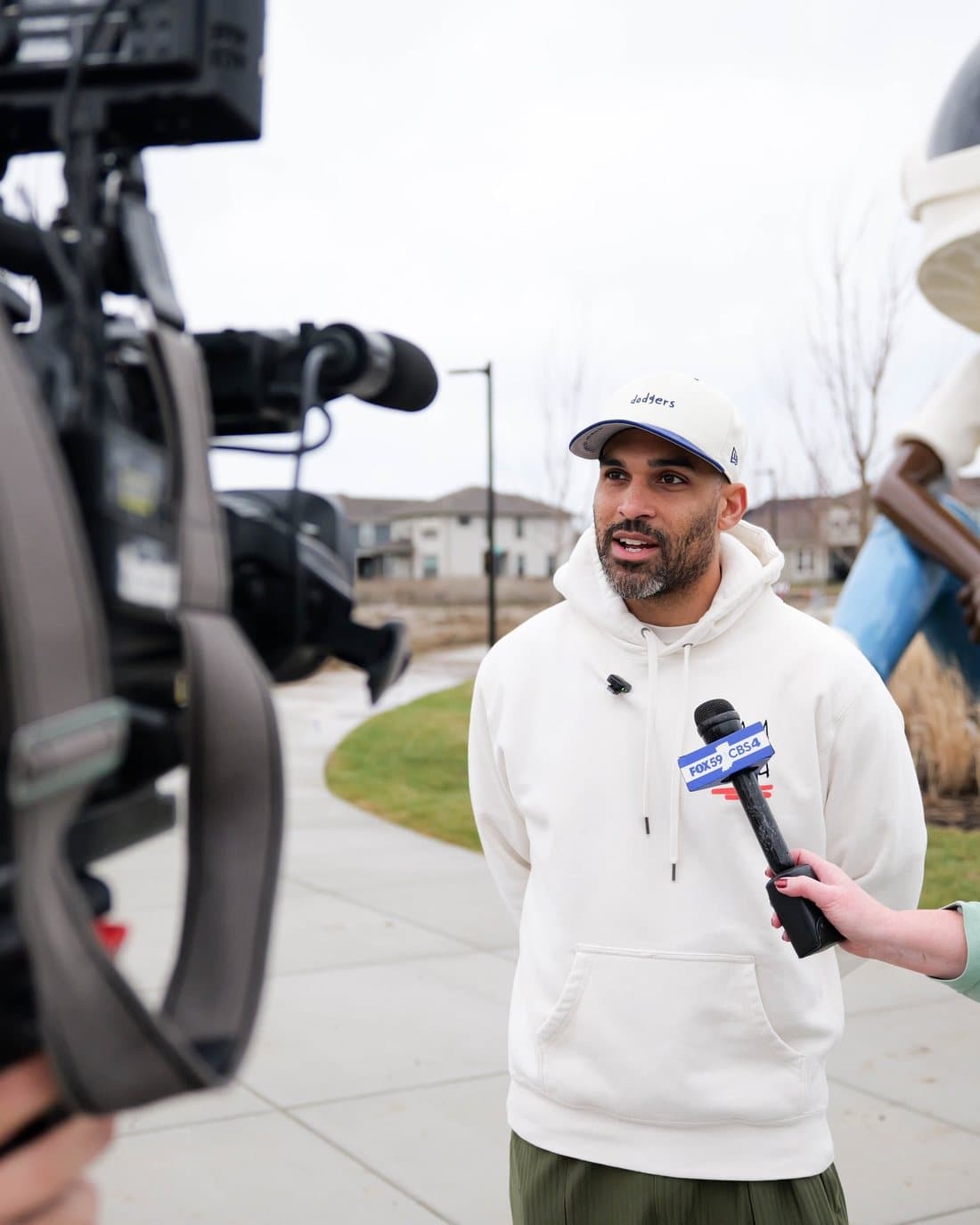
The scale is the point. As Micah put it at the unveiling, when you fly into Indianapolis, look down and you will see Aku. A character born to tell kids that anything is possible becomes, at twenty feet and set in the ground, a permanent piece of the place itself.
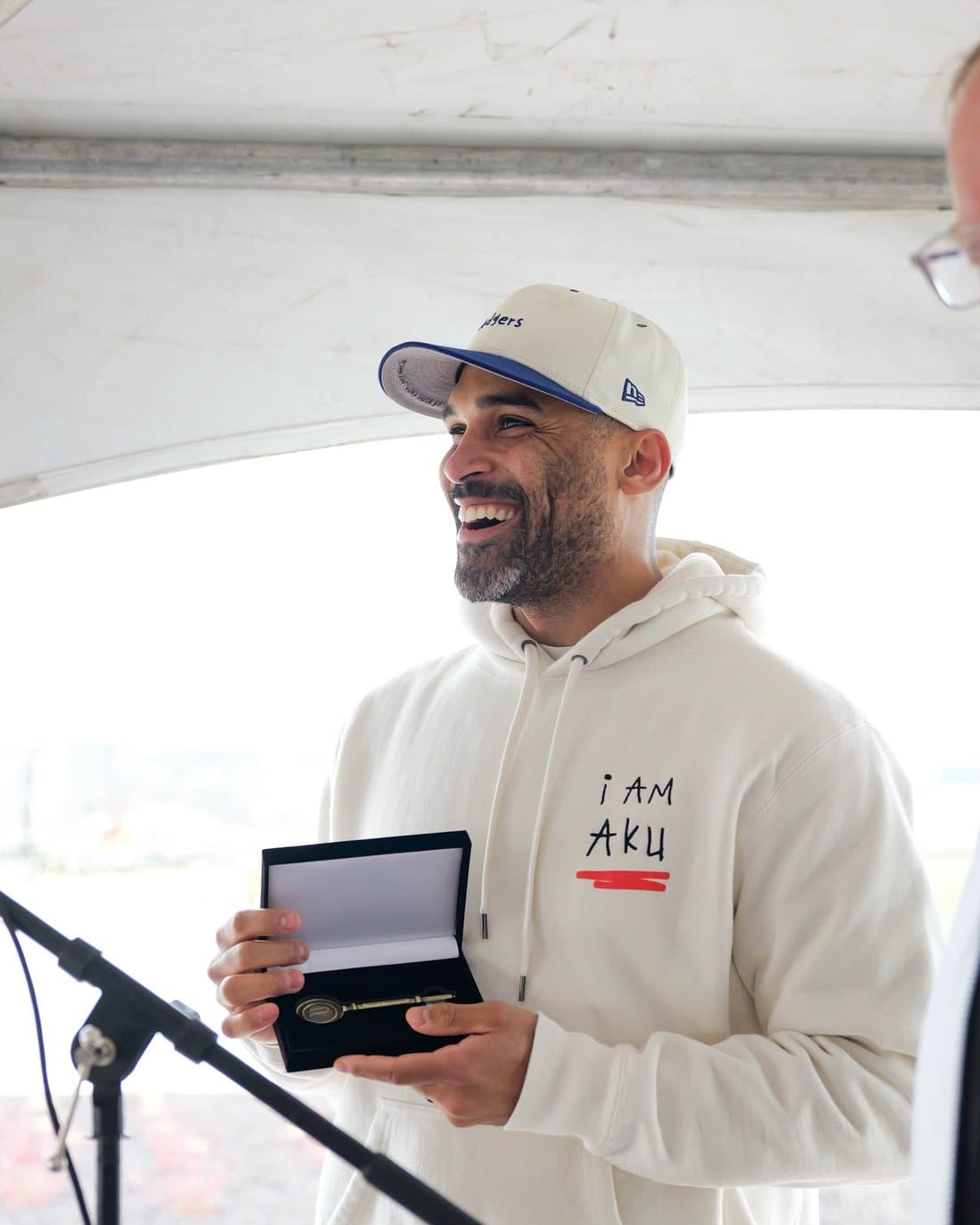
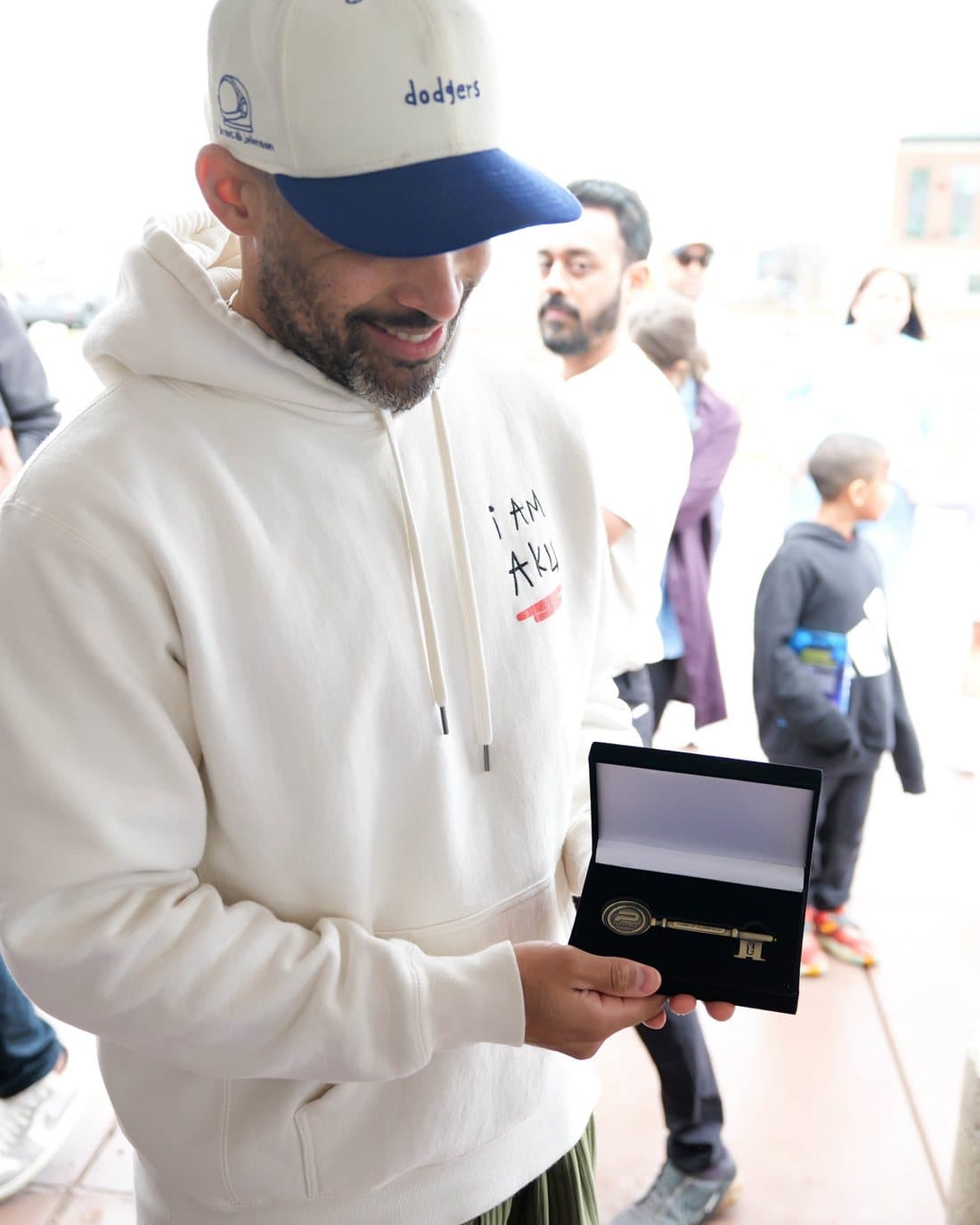
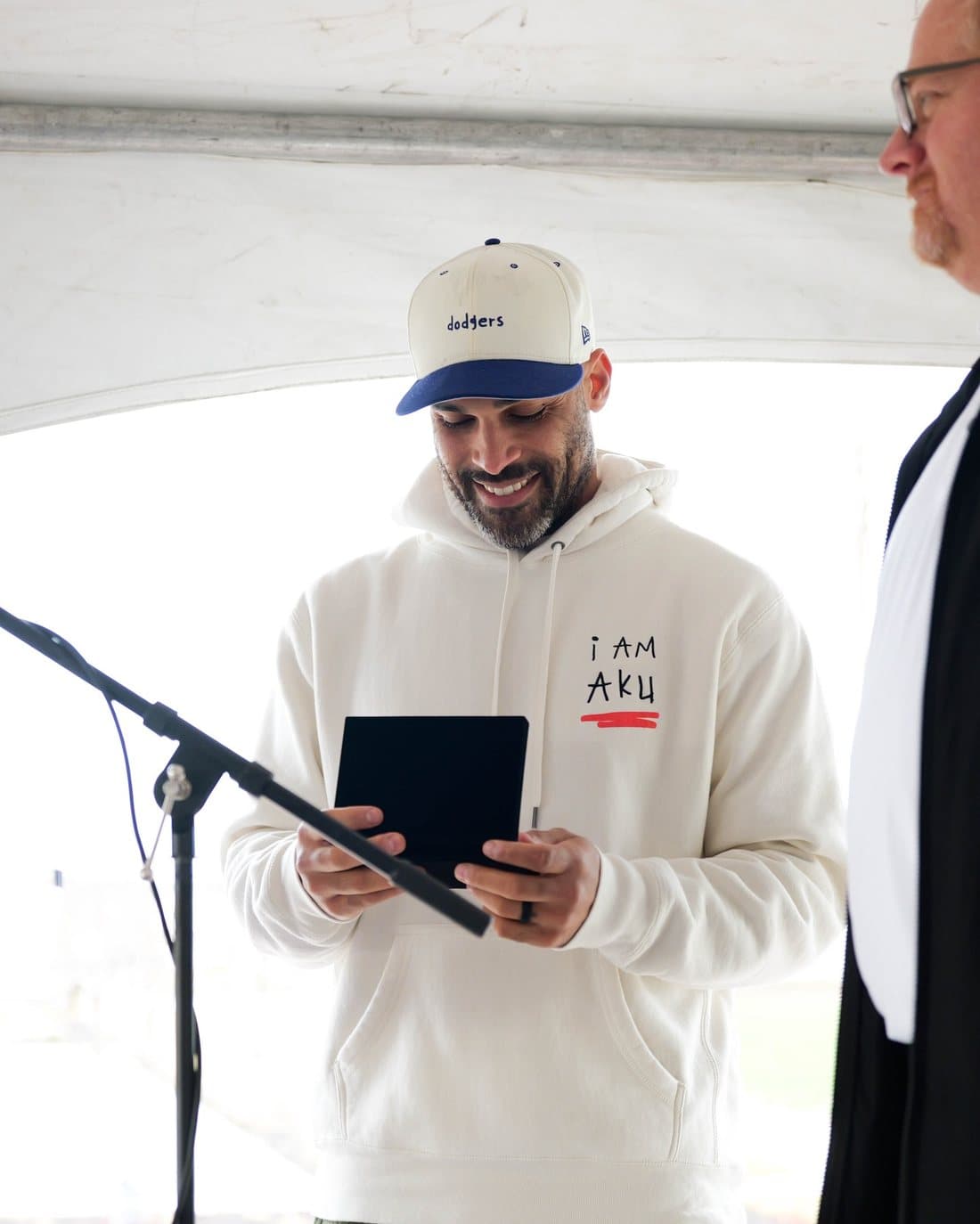
Development with the artist first: taking Aku from Micah Johnson’s flat and sculptural work into engineered objects that could be built at this size, lit, and stood up permanently outdoors. On approval, Curative handled production and logistics in full, as the fabricator: manufacturing, cross-border freight, and delivery of the finished sculptures to Hobbs Station in Plainfield, the New City Development community outside Indianapolis. The works were unveiled to the public on March 7, 2026 with a community ribbon-cutting. What Curative did not do, and does not claim, is Aku itself or the relationships behind it. Those are the artist’s.
Hobbs Station is the fullest expression of the “for artists” door: not one object but a permanent, multi-sculpture public installation, produced for an artist who kept every ounce of his IP. It shows the top of Curative’s production capability, monumental painted FRP, lit and engineered for permanence, and it models exactly the trust Curative wants artists to have. Bring us the vision. Keep the world you built. We will make it stand.
Flip through cases with ← →, the arrows, or a swipe.